|
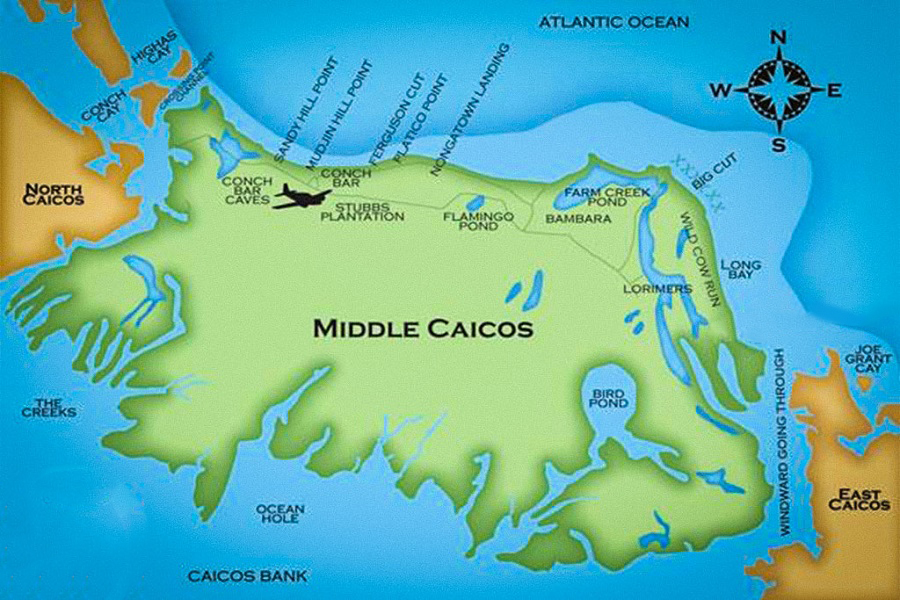
Middle Caicos is the largest and least populated of the Turks & Caicos Islands. It is remote, tranquil and unspoiled, with 19 beaches to explore, miles of trails along the ocean cliffs to ramble and a cornucopia of birdlife year round. Middle Caicos is the heartland of TCI culture including traditional straw craft, fanner grass basketry, native sloop building, model sailboat carving/racing, and bush medicine. The residential population is under 200 people, and the lifestyle stands proudly apart in TCI – a quiet retreat from the modern world. With careful planning, ongoing consideration for local values, and strong respect for the environment, Middle Caicos will continue to be an outstanding place to enjoy the natural beauty of the land and sea.
Nearly 50% of the island of Middle Caicos is dedicated to the International Ramsar Biodiversity Wetland Reserve, a major treaty preserved site dedicated to protection of habitat for the local flora and fauna. The birdwatching here is a treasure year round – eagles, hawks, terns, frigate birds, pelicans all fly close by comfortably and without fear. The importance of eco-tourism, rather than mainstream tourism, will be crucial to the sustainable development of Middle Caicos.
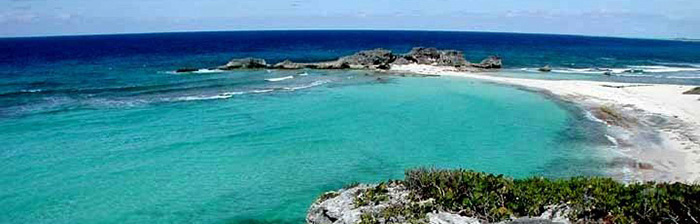
Dragon Cay
Life on Middle Caicos is for the adventurous! Very limited infrastructure or amenities of any kind is in place. The completion of the causeway between the two islands in 2008 has allowed Middle Caicos residents easy access to the amenities of North Caicos and has drawn the two islands closer together overall. Convenient travel to Provo on passenger ferry is a 45 minute drive away, with two ferries operating daily.
Building costs and logistics have improved immensely with roll on/roll off capacity for trailers and containers from Bellefield Landing in North Caicos. Water is supplied by rain collected in cisterns, locally called “tanks” - an important feature of your home here. Local contractors are available for your building projects with a time frame of roughly one year from planning department approval to move in! Imagine the caress of the ocean breezes, imagine the brilliance of the stars in the dark sky at night, imagine the gorgeous waves of the turquoise sea at your feet. Come visit soon.
In the sections that follow, each of the three main regions of Middle Caicos will be outlined through pictures and text to bring to life the current situation and future possibilities, specifically focused on real estate information. The text follows the main paved road across Middle Caicos . . .
Conch Bar – Western region
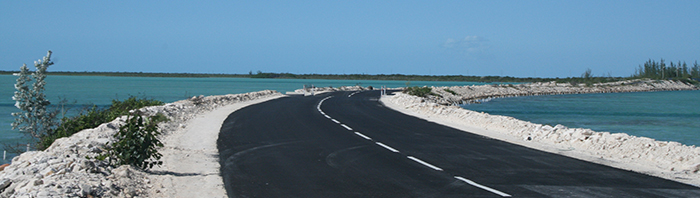
Causeway
Pine Barrel boat landing, on the channel between Middle Caicos and North Caicos, is at the extreme west end of the island, and this is your arrival point to Middle Caicos. The causeway is a wonder, crossing a wide expanse of clear water with vast views on all sides, offering residents and visitors alike the convenience of linking the two islands. You will soon pass an entry to the famous Crossing Place Trail, where you can walk through to the shoreline and explore Blowing Hole – a natural water spout created with tide and wind. The walk along the shore includes sandy beaches and jagged cliffs, and truly inspiring scenery. Continuing east, watch for flamingoes as you pass over the small land bridge at Fish Ponds.
This western end of Middle Caicos has been settled close to the shore, and the resultant sea mist and spray take their toll on vehicles and buildings. With the reef literally at the shore, there is minimal protection from storm surges and weather, yet the sea breeze helps fights the notorious Middle Caicos mosquitoes and sand flies. It is a vibrant part of the island - sea cliffs, waves of surf rolling in, friendly and open local population.
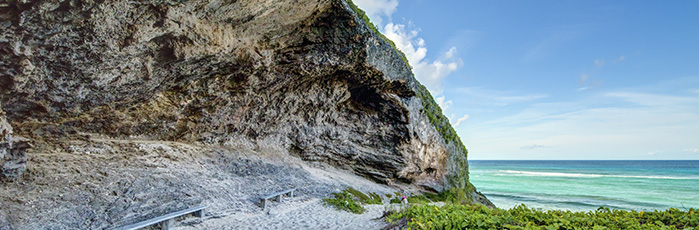
Mudjin Harbour
At Mudjin Harbour: the Blue Horizon Community/Dragon Cay Resort residential lots overlook the spectacular sweep of the bay. The lots here have underground services in place to each site, shared roads with a fee each year for maintenance, and a homeowners association in place. To date six private homes have been completed on site, along with the management building and the five rental cottages of the Dragon Cay Resort. The Mudjin Bar & Grill opened in 2013 on the shoreline, with great views, adding more value to investment in a property here.
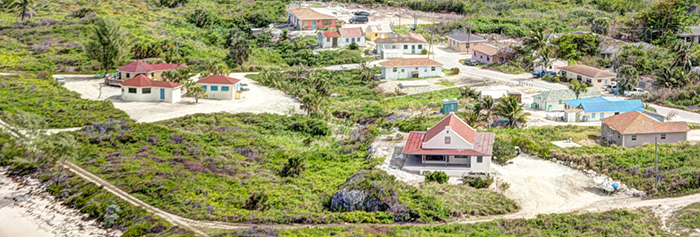
Conch Bar village
Conch Bar village is next, the largest village by far, with roughly 75% of the island's population, and is located near the airport (currently closed). There is a gas station, snack shop, two small grocery stores, bar, primary school, central government office, health clinic, police station, three churches and the newly opened Seaview Café!
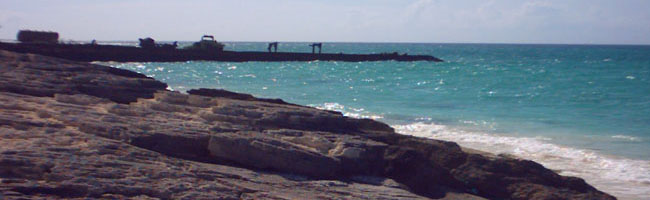
Old Pier at Platico Point
Moving east away from Conch Bar, toward the central region of the island, huge swathes of property are still registered as generational land - large acreages owned by family groups. At Platico Point the reef encircling TCI emerges again and pulls fully away from shore. Waterfront lots with a magnificent ironshore coastline, roadside and interior lots are available in the Platico Point area where subdivisions are in place with power infrastructure. Waterfront prices from $190,000, offshore and interior from $35,000. Just past this area the four mile curve of famous Bambarra beach begins, forming the central region of Middle Caicos.
Bambarra – Central region
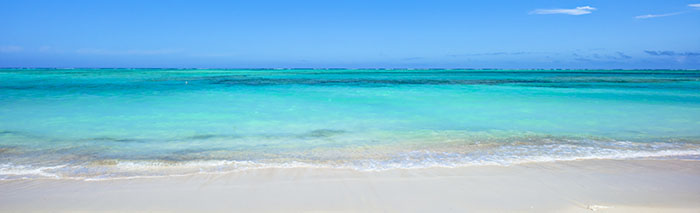
Bambarra Beach
The central region of Middle Caicos is characterized by several high ridges in the middle of the island and by the grand sweep of Bambarra beach with four miles of curving white sand lined with casuarina trees. The reef is well off shore and the bay is shallow, with lovely coral heads to explore. The main fishermen’s landing and anchorage is nestled on the sheltered east end of the bay, with a large government pier and boat ramp area accessible. One of the best public beach facilities in the country, with tiki huts, picnic shelter, latrines is sited on Bambarra beach. From here you can walk out the sand spit out to Pelican Cay at low tide!
The shoreline of Bambarra beach is truly spectacular, with gorgeous interior view lots on the ridge and incredible one acre lots on the beach. This is the centre of the Middle Caicos property market. This development zone was approved in the mid 1980’s and nearly one hundred individual lots have been surveyed and sold, although only 15 homes exist to date. Vacant beachfront lots asking price is currently from $290,000/acre, and ½ acre lots off the beach asking $60,000. The plentitude of interior lots available at this time brings very reasonable prices. Combining contiguous lots for a small resort or inn would be possible - and a great potential development. The far eastern curve of Bambarra beach is ironshore coast, along an extremely shallow bay with only a narrow strip of land between the sea and the huge Farmcreek pond salina. Archeological traces of several Lucayan and Taino settlements have been found in this Bambarra beach region. To hike out to Gambol Point, where fires were lit to guide the sailing sloops home, is a great day’s outing that places the whole curve of Bambarra beach in front of you.
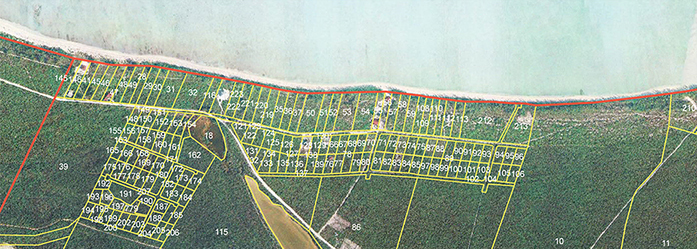
Bambarra Beach Lots
The village of Bambarra sits proudly on the ridge, with fresh breezes, views in all directions and the turquoise sea sparkling down at the shore. A 15 minute walk of 4 minute car ride brings you to the beach. Bambarra village currently has roughly 50 residents, with many traditional homes built at the turn of the century - thick “tabby” walls, low doorways and wooden shutters. Bambarra boasts many wells, with some well water suitable for irrigation and construction. All of the property in and around Bambarra village is privately owned, but much of it remains generational land. Listings are currently on the market in Bambarra village, price range $40,000 to $60,000 for vacant lots with old ruins and walls visible and an unfinished home at $75,000. For those seeking beautiful beachfront in a quiet, safe community, Bambarra beach and the central region of Middle Caicos offer many lots at sensible prices.
Lorimers – Eastern region
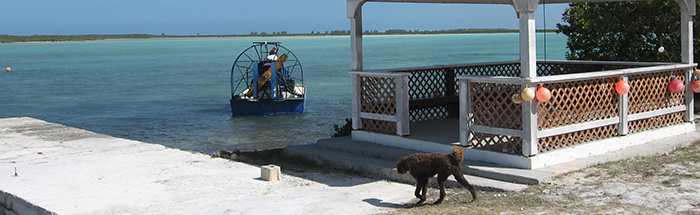
Lorimers
The inland eastern region of Middle Caicos was heavily populated during the plantation era, and many ruins of old buildings, walls and roadways are still in evidence. Lorimers was the biggest village in TCI at the turn of the century with 600 homes – but at present only six families make their home there. The mangroves on the creek and pond edges are Lorimer’s special feature and it has more named streets than any other village in TCI. The village is the access point for the famous Increase Plantation, on land close to South Caicos, standing on the shore of Middle Caicos along the interior bank of the TCI archipelego.
The original “Kings Road” (opened in late 1700’s) runs to Lorimers from Pine Barrel Landing, and various size properties lots are available for sale along the road – farming opportunities are good here. Some of the highest land in Middle Caicos is in this eastern area, an area of rough indigenous bush, with remnants of stone walls from traditional farming days and interior ponds. Access to the Windward passage, between East and Middle Caicos, and on to South Caicos is via a winding route across the creeks and sand bars, with birds and fish as common companions. Sea kayaking and small boat fishing, exploring the inlets of East Caicos and appreciating the rich bird life are major attractions of the eastern region. The Haulover Plantation area, with ruins from the original homestead, now belongs to the National Trust and the walking tour is fun!
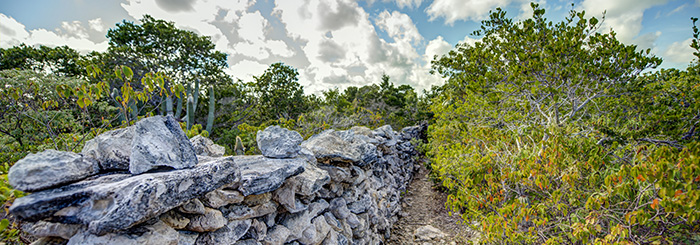
Haulover ruins
Along the coast moving east, at Half Creek, government beachfront land has been set aside since 1997 for a development to include marina, luxury hotel and villas. In 2008, the hurricanes established a fabulous new beach due to sand movements that year! The Caicos 71 resort is slowly being developed with ultra modern modular units under construction and lots available. The Eastwind development group created the access road to Wild Cow Run in 2005, and has since completed power infrastructure for lots in both phase one and two. Beachfront lots in this subdivision are excellent value, extremely private and fabulous for kiteboarding!
This is a wild and isolated region of Middle Caicos, a magnificent pristine Caribbean wilderness. The right investment for long term or for the intrepid pioneers!
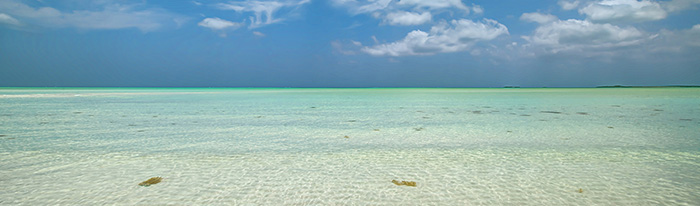
Wild Cow Run
This information has been prepared by Sara J. Kaufman, manager of Forbes Realty TCI. The firm specializes in personalized real estate services. Please contact her directly for further details, with your questions, or for assistance.
Email : sara@forbesrealtytci.com
Cell Tel : 1-649-231-4884

|

 Home
Home


